
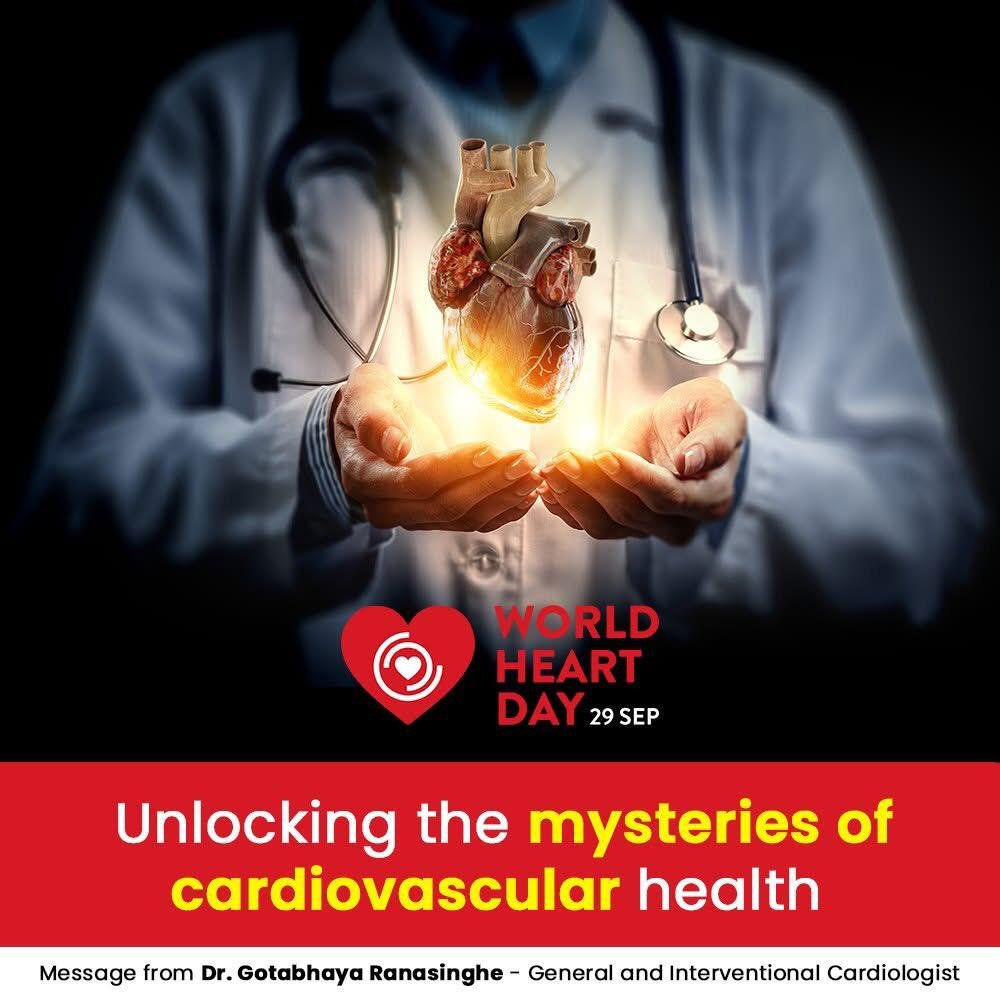
As we commemorate this year’s World Heart Day, I thought how exciting it is that new technologies and innovations enable us to transform cardiovascular care!
New technologies are transforming the field of cardiology by making it possible to improve heart and circulatory disease treatment and prevention. Scientists and biomedical researchers concentrate on creating smarter medical equipment. Technologies in development include implantable pulse generators, heart prosthetics, genomic analysis, and AI-powered diagnostics.
𝐇𝐨𝐰 𝐝𝐨𝐞𝐬 𝐚 𝐩𝐮𝐥𝐬𝐞 𝐠𝐞𝐧𝐞𝐫𝐚𝐭𝐨𝐫 𝐡𝐞𝐥𝐩 𝐲𝐨𝐮𝐫 𝐡𝐞𝐚𝐫𝐭?
A cardiac pulse generator is a device with a power supply and electronic circuitry that generates output stimuli. Simply said, to stimulate the heart, current from the pacemaker’s battery goes through a connecting pathway before returning to the pacemaker to complete the circuit. Pulse generators can improve heart function, conquer certain malignant arrhythmia conditions, and prevent cardiac arrest.
They are used in the forms of AICD (Automatic Implantable Cardioverter Defibrillators) or CRT-D (Cardiac Resynchronization Therapy [CRT] device).
𝐓𝐡𝐢𝐬 𝐢𝐬 𝐡𝐨𝐰 𝐡𝐞𝐚𝐫𝐭 𝐩𝐫𝐨𝐬𝐭𝐡𝐞𝐬𝐢𝐬 𝐜𝐚𝐧 𝐡𝐞𝐥𝐩 𝐲𝐨𝐮𝐫 𝐡𝐞𝐚𝐫𝐭!
Mechanical and bioprosthetic (also known as tissue) valves are two broad categories of artificial heart valves that are intended to mimic the function of natural valves by ensuring unidirectional blood flow.
Cardiovascular prosthetic devices are implantable or external devices that replace or help the heart, arteries, or veins, among other cardiovascular system components.
𝗧𝗔𝗩𝗜 – Transcatheter aortic valve implantation (TAVI) is a minimally invasive procedure commonly conducted under local anesthetic. TAVI is used to treat patients ailing with Aortic Stenosis, a form of valvular heart disease that affects the heart valves (failing heart valve).
Recently, I together with my team successfully performed the first-ever TAVI procedure in Sri Lanka, and I’m glad to inform you that the patient has achieved a full and complete recovery.
I fervently urge the Sri Lankan government and those concerned with private-sector healthcare to embrace the TAVI procedure because it is the most effective treatment for individuals suffering from aortic stenosis. The entire world, including our neighboring nation India, is enthusiastically endorsing this procedure.
𝙇𝙖𝙩𝙚𝙨𝙩 𝙞𝙣𝙣𝙤𝙫𝙖𝙩𝙞𝙤𝙣𝙨 𝙞𝙣 𝘾𝙤𝙧𝙤𝙣𝙖𝙧𝙮 𝙎𝙩𝙚𝙣𝙩 𝙏𝙚𝙘𝙝𝙣𝙤𝙡𝙤𝙜𝙮!
Coronary stent technology has quickly advanced and is now a vector for local medication delivery and alteration of the coronary plaque composition & its behavior.
𝑻𝒉𝒆 𝒂𝒅𝒗𝒆𝒏𝒕 𝒐𝒇 𝒅𝒓𝒖𝒈-𝒆𝒍𝒖𝒕𝒊𝒏𝒈 𝒔𝒕𝒆𝒏𝒕𝒔 (𝑫𝑬𝑺) – The drug-eluting stents stop the growth of new endothelial cells, inhibit cell wall growth, and thereby prevent the re-narrowing of the arteries.
𝑶𝒑𝒕𝒊𝒄𝒂𝒍 𝑪𝒐𝒉𝒆𝒓𝒆𝒏𝒄𝒆 𝑻𝒐𝒎𝒐𝒈𝒓𝒂𝒑𝒉𝒚 (𝑶𝑪𝑻) – During percutaneous coronary intervention (PCI), OCT, an intravascular imaging method, uses near-infrared light to provide high-definition, cross-sectional, and three-dimensional pictures of the artery microstructure. It helps to analyze the size of the lumen, plaque load, and composition in detail, which is useful for treatment planning. It also offers information on the architecture of the coronary arteries.
𝑰𝒏𝒕𝒓𝒂𝒗𝒂𝒔𝒄𝒖𝒍𝒂𝒓 𝑼𝒍𝒕𝒓𝒂𝒔𝒐𝒖𝒏𝒅 (𝑰𝑽𝑼𝑺) – Your aorta and coronary arteries (the blood vessels that carry blood to your heart) can be seen in amazing detail thanks to IVUS. Compared to coronary angiography, the examination provides a more accurate picture of your artery walls, including any accumulation of fat deposits (plaque). IVUS can visualize the complete arterial wall and provide more information regarding plaque buildup than angiography.
𝗪𝗵𝗮𝘁 𝗿𝗼𝗹𝗲 𝗱𝗼𝗲𝘀 𝗻𝗮𝗻𝗼𝘁𝗲𝗰𝗵𝗻𝗼𝗹𝗼𝗴𝘆 𝗽𝗹𝗮𝘆 𝗶𝗻 𝘁𝗵𝗲 𝗱𝗲𝘁𝗲𝗰𝘁𝗶𝗼𝗻 𝗮𝗻𝗱 𝗺𝗮𝗻𝗮𝗴𝗲𝗺𝗲𝗻𝘁 𝗼𝗳 𝗮𝘁𝗵𝗲𝗿𝗼𝘀𝗰𝗹𝗲𝗿𝗼𝘀𝗶𝘀 𝗼𝗿 𝘁𝗵𝗲 𝗮𝗰𝗰𝘂𝗺𝘂𝗹𝗮𝘁𝗶𝗼𝗻 𝗼𝗳 𝗽𝗹𝗮𝗾𝘂𝗲 𝗶𝗻 𝗮𝗿𝘁𝗲𝗿𝗶𝗲𝘀?
Through signal amplification and sensitivity augmentation employing magnetic and other physicochemical features, nanomaterials have an advantage in the detection of CVD-related molecular and cellular biomarkers, such as C-reactive protein (CRP) and troponins.
Increasing systemic agent circulation time, lowering off-target cytotoxicity of drugs, improving drug solubility, lowering dosage requirements, combining diagnostic and therapeutic agents to form theranostics, and increasing agent accumulation are all possible uses of nanotechnology in atherosclerosis treatments.
𝙂𝙚𝙣𝙤𝙢𝙞𝙘 𝙖𝙣𝙖𝙡𝙮𝙨𝙞𝙨 𝙩𝙤 𝙮𝙤𝙪𝙧 𝙝𝙚𝙖𝙧𝙩’𝙨 𝙖𝙞𝙙!
You can utilize genetic testing to determine whether a change in one or more of your genes could cause a hereditary cardiac issue. Patients can use genetic sequencing to find out if they have a genetic mutation that is highly related to a heart ailment, like hypertrophic cardiomyopathy.
𝘾𝙖𝙧𝙙𝙞𝙤𝙡𝙤𝙜𝙮 𝙩𝙝𝙚𝙧𝙖𝙥𝙞𝙚𝙨 𝙖𝙧𝙚 𝙢𝙖𝙙𝙚 𝙗𝙚𝙩𝙩𝙚𝙧 𝙬𝙞𝙩𝙝 𝙩𝙝𝙚 𝙝𝙚𝙡𝙥 𝙤𝙛 𝙖𝙧𝙩𝙞𝙛𝙞𝙘𝙞𝙖𝙡 𝙞𝙣𝙩𝙚𝙡𝙡𝙞𝙜𝙚𝙣𝙘𝙚!
AI can be used for a variety of purposes, including the faster diagnosis and treatment of strokes and the improvement of diagnostic radiology. AI approaches are used as a novel screening method for patients who have a certain kind of heart condition that doesn’t manifest any outward signs.
𝘼 𝙗𝙧𝙞𝙜𝙝𝙩𝙚𝙧, 𝙝𝙚𝙖𝙡𝙩𝙝𝙞𝙚𝙧, 𝙖𝙣𝙙 𝙝𝙚𝙖𝙧𝙩-𝙛𝙞𝙡𝙡𝙞𝙣𝙜 𝙛𝙪𝙩𝙪𝙧𝙚 𝙖𝙬𝙖𝙞𝙩𝙨 𝙪𝙨.
As an interventional cardiologist, it is very reassuring and fulfilling to observe technological advancements in the field of heart care, which will benefit all of humanity. The development of medical devices for diagnosing illness and operating on the patient in question can significantly lower death rates. Over time, fewer heart operations may be necessary thanks to the early diagnosis of cardiac problems. Better treatment options for heart patients will be made available through advanced diagnostics, technologically driven non-surgical and surgical treatments, high-tech healthcare delivery systems, digital patient monitoring and follow-up procedures, super-fast effective communications, and clinical research.
𝘼𝙨 𝙖 𝙣𝙖𝙩𝙞𝙤𝙣, 𝙬𝙚 𝙣𝙚𝙚𝙙 𝙩𝙤 𝙪𝙥 𝙩𝙝𝙚 𝙖𝙣𝙩𝙚!
In comparison to India, I’m a little disheartened to say that we are lagging in adopting new technological advancements that support healthcare systems.
Particularly as a nation with much to offer and abundant natural and human resources, we should be able to improve our healthcare systems to serve the people of the nation and to encourage health tourism, which is an excellent approach to draw visitors to our island.
I invite the corporate sector to be proactive about taking a greater lead in promoting and driving the adoption of new technical breakthroughs that can be advantageous to the nation, its citizens, and tourism.
Yes, it can boost revenue while also supporting and improving our healthcare system.
𝑨𝒃𝒐𝒖𝒕 𝒕𝒉𝒊𝒔 𝒚𝒆𝒂𝒓’𝒔 𝑾𝒐𝒓𝒍𝒅 𝑯𝒆𝒂𝒓𝒕 𝑫𝒂𝒚 𝑪𝒆𝒍𝒆𝒃𝒓𝒂𝒕𝒊𝒐𝒏!
World Heart Day serves as a reminder for everyone to take good care of their hearts. The theme of this year’s campaign is the essential step of first knowing our hearts.
𝘽𝙀𝘾𝘼𝙐𝙎𝙀 𝙒𝙀 𝙇𝙊𝙑𝙀 𝘼𝙉𝘿 𝙋𝙍𝙊𝙏𝙀𝘾𝙏 𝙊𝙉𝙇𝙔 𝙒𝙃𝘼𝙏 𝙒𝙀 𝙆𝙉𝙊𝙒.
Let’s take better control of our heart’s well-being.
𝘽𝙀𝘾𝘼𝙐𝙎𝙀 𝙒𝙃𝙀𝙉 𝙒𝙀 𝙆𝙉𝙊𝙒 𝙈𝙊𝙍𝙀, 𝙒𝙀 𝘾𝘼𝙉 𝙏𝘼𝙆𝙀 𝘽𝙀𝙏𝙏𝙀𝙍 𝘾𝘼𝙍𝙀. 𝙐𝙎𝙀 𝙆𝙉𝙊𝙒